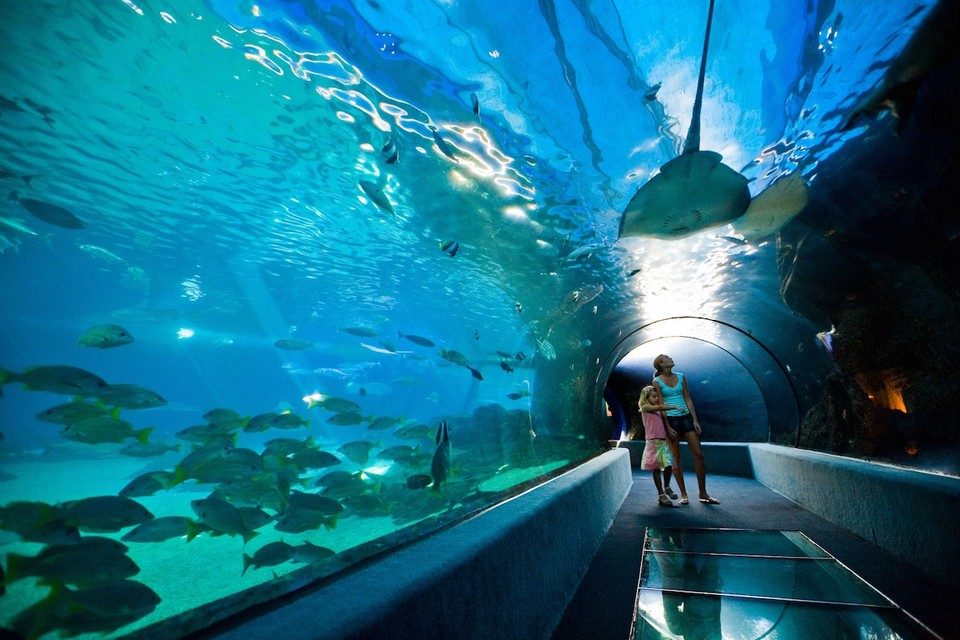
Maui Ocean Center
5 min walk
This indoor aquarium is ideal for the windier afternoon hours. When choppy sea conditions make boat tours less comfortable, you can explore marine exhibits and learn about humpback behavior onshore instead.

Humpback whales surface throughout the day in Maui's waters, but sea conditions and wind patterns shift dramatically between sunrise and afternoon. The window you choose determines visibility, wave height, and your ability to track whale movement across the channel. Most operators at Maalaea Harbor schedule departures between 7:00 AM and 2:00 PM to align with optimal ocean conditions.
Quick answer
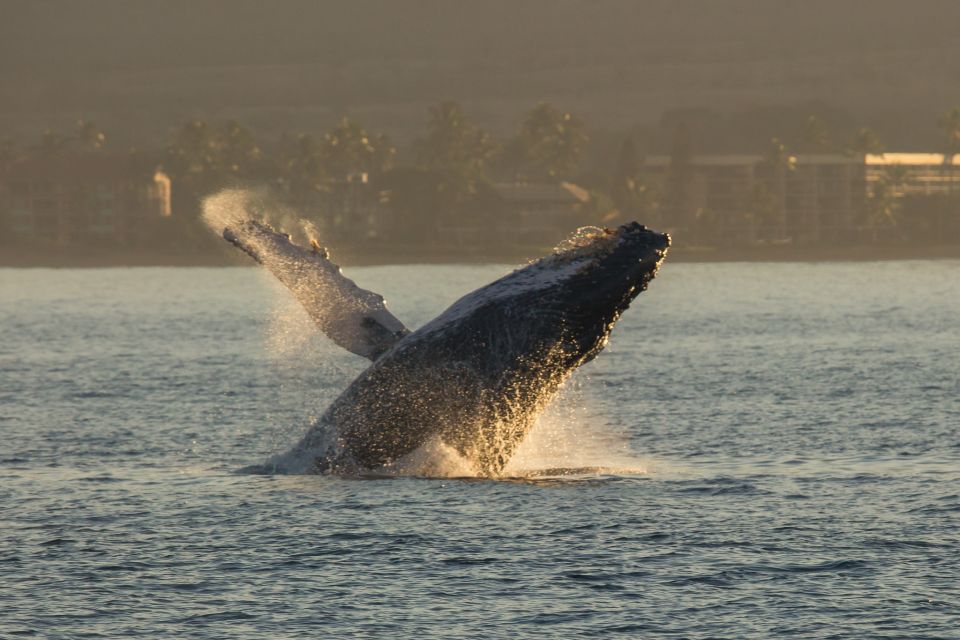
The best arrival window for whale watching at Maalaea Harbor is 7:00 AM to 10:00 AM, when calmer morning waters and lighter winds provide optimal visibility for spotting whale activity. Morning conditions allow clearer sightlines across the channel, where humpback whales congregate during peak season. Trade winds typically strengthen after midday, increasing wave action and reducing surface clarity.
Humpback whales breach, spyhop, and tail-slap at any hour, but the ocean's surface determines whether you can see them clearly from a distance. Morning departures from Maalaea Harbor benefit from what mariners call the "morning glass"—a brief window before trade winds ripple the channel and kick up whitecaps that obscure whale blows and dorsal fins. Charter captains track wind forecasts as closely as whale sightings, because a two-foot swell difference can cut visible range in half. Whale behavior itself shows no strong preference for morning over afternoon. Research from the Hawaiian Islands Humpback Whale National Marine Sanctuary confirms that surface activity—breaching, pectoral slaps, competitive pod chases—occurs throughout daylight hours. What changes is your ability to detect it. A whale blow visible for miles in flat morning water becomes difficult to distinguish from wave spray when afternoon gusts reach fifteen knots. Glare also shifts: early light angles low across the channel, while midday sun reflects directly off the surface, washing out contrast between whale backs and water. Maalaea Harbor sits at the midpoint of Maui's western shore, with immediate access to the Auau Channel where whales migrate between Maui, Lanai, and Molokai. Morning tours typically head southwest toward the deeper channel waters, following the whales' overnight resting zones. By late morning, wind funnels through the valley gap behind Maalaea, accelerating across the harbor mouth and roughening the ride back. Passengers prone to motion sensitivity notice the difference: the outbound journey rides smooth water, while the return can pitch through building chop. Peak whale season runs December through April, with February and March offering the highest concentrations. During these months, what time is the best for whale watching hinges less on whether whales are present—they are—and more on the conditions that let you watch them comfortably and clearly. A 7:30 AM departure catches whales before the wind does.
“A whale blow visible for miles in flat morning water becomes difficult to distinguish from wave spray when afternoon gusts reach fifteen knots.”
Deciding between a morning or afternoon whale watching departure from 101 Maalaea Boat Harbor Rd requires comparing wind patterns and ocean comfort levels. The local microclimate creates distinct marine conditions during these two periods, directly impacting passenger comfort and whale visibility.
| Morning Tours (07:00–11:00) Calmer morning waters and lighter winds provide optimal visibility Recommended | Afternoon Tours (12:00–16:00) Stronger trade winds and heavier surface chop shape the ride | |
|---|---|---|
| Sea Conditions | Smooth, glassy sea surfaces with minimal wave action in the harbor area. | Choppy surface conditions with active wave movement and frequent whitecap formations. |
| Wind & Waves | Light breezes averaging 5 to 10 knots, providing a gentle ride with low wave heights. | Strong trade winds blowing 15 to 25 knots, which funnel through the valley to build larger waves. |
| Visibility | High visual clarity, making it easy to identify whale blows, pectoral slaps, and fluke dives. | Challenging visual conditions, as ocean whitecaps blend with whale spouts and surface activity. |
| Motion Sickness Risk | Low risk of seasickness, which is suitable for families, young children, and sensitive passengers. | Elevated risk of motion sickness due to the constant pitching of the vessel over wind-driven waves. |
| Lighting | Soft morning sun angles with reduced glare, facilitating clear photography and deep-water viewing. | Bright afternoon sun causing surface reflection, transitioning to low-angle sunset silhouettes later. |
Verdict: Book a morning tour within the 07:00–10:00 window if you prefer calmer waters and easier spotting, or choose the afternoon if you want dramatic sunset lighting and do not mind a windier, rougher ride.
Choosing the wrong departure time can turn a comfortable outing into a rough ride or lead to missed sightings based on incorrect assumptions about whale behavior.
Booking late afternoon tours when prone to motion sickness
Afternoon winds increase wave action and chop, making conditions rougher for those sensitive to motion. Reserve morning departures between 07:00–10:00 when calmer waters and lighter winds provide a more stable ride.
Assuming whales are less active in early morning
Humpback whales are active throughout daylight hours and do not follow a sleep schedule that makes mornings less productive. Morning trips benefit from better sea conditions for visibility, not increased whale activity.
Waiting until arrival to book a preferred time slot
Popular morning departure times fill quickly during peak season. Book your preferred time window in advance to secure spots during the optimal 07:00–10:00 arrival window.
Choosing afternoon slots to avoid early wake-up calls
While sleeping in sounds appealing, afternoon departures often face deteriorating sea conditions as trade winds strengthen. The trade-off is a rougher experience that can reduce both comfort and whale-spotting visibility.
Maalaea Harbor is located at 101 Maalaea Boat Harbor Rd, Wailuku, HI 96793. Access is most direct via Highway 30, which connects major areas of Maui to the harbor entrance.
Highway 30 to Maalaea Road
Maui Bus Route 6 to Maalaea Harbor
From Maalaea Harbor parking area to the docks
Parking is available near the harbor shops; follow signs for the loading zones. For optimal conditions, aim for the best arrival window of 07:00–10:00.
Morning tours offer the calmest sea conditions, whereas afternoon winds typically bring rougher waters but active surface whale behavior. Planning nearby visits around these shifts ensures a comfortable, well-timed itinerary.
5 min walk
This indoor aquarium is ideal for the windier afternoon hours. When choppy sea conditions make boat tours less comfortable, you can explore marine exhibits and learn about humpback behavior onshore instead.
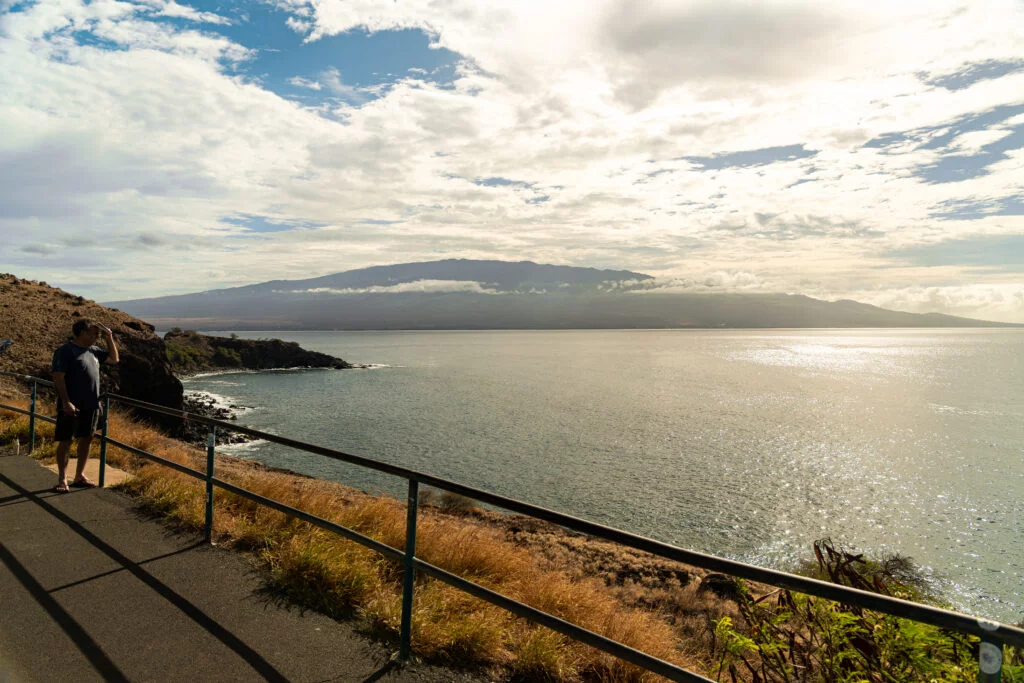
5 min drive
A scenic coastal lookout that serves as an excellent land-based spotting station. If afternoon winds create rough seas, you can still watch whales breach and slap the water from this stable clifftop vantage point.
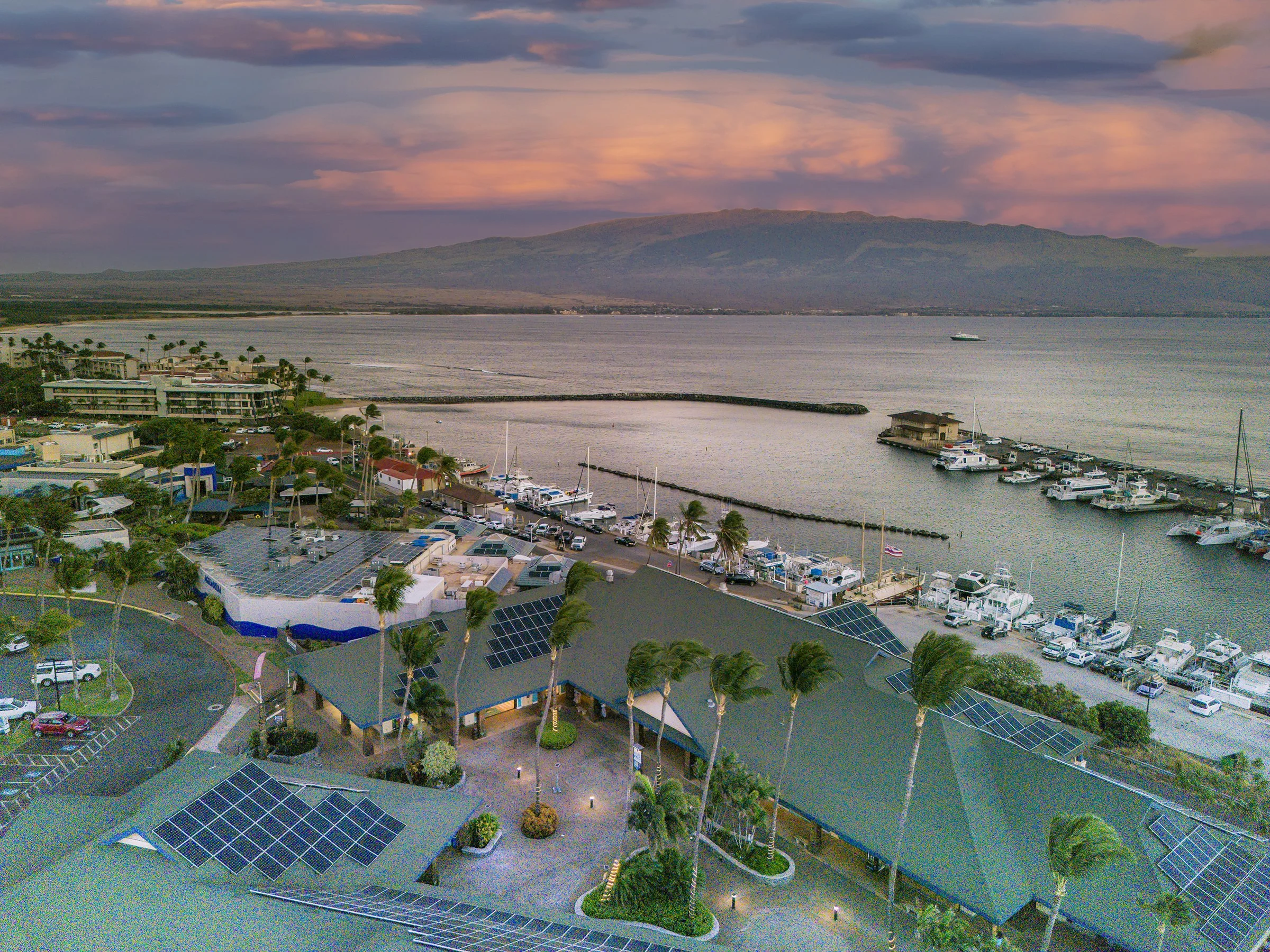
5 min walk
This waterfront complex features dining options directly next to the harbor. It is a practical stop for breakfast before a calm morning departure, or for lunch after navigating the livelier afternoon swells.
Everything you need to know about what time is the best for whale watching
The best arrival window is 07:00–10:00. Calmer morning waters and lighter winds provide optimal visibility for spotting whale activity.
Whale Watching Tours from Maalaea Harbor
Read more Tickets & toursWhale Watching Tours Aboard the Quicksilver
Read more Tickets & toursCatamaran Whale Watching Cruises
Read more Tickets & toursSunset Whale Watching Trips
Read more GuideWhale Watching Season in Maui
Read more GuideKaanapali vs Maalaea Whale Watching
Read more