
Maalaea Whale Watching Tour
Season Guide

What Is Whale Watching Season in Maui

Humpback whales travel over 3,000 miles from Alaska to the warm waters surrounding Maui each winter, transforming the island into one of the Pacific's most reliable viewing zones. The official season spans five months, but arrival and departure windows shift based on ocean temperature and breeding cycles. Knowing when the migration reaches its peak determines whether you witness distant spouts or close encounters with calves.

10 min read Updated 2026-08-19 Fact-checked
What Is Whale Watching Season in Maui

Quick answer

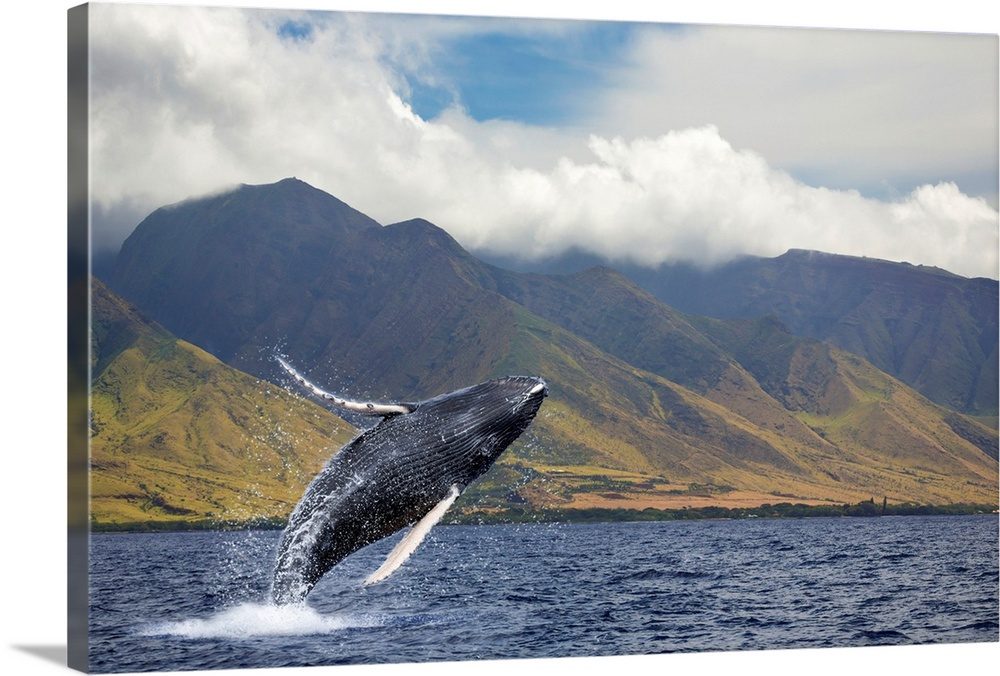
Whale watching season in Maui runs from mid-December through mid-May, with the highest concentration of humpback whales present between February and March. During these peak months, mothers nurse newborn calves in shallow coastal waters, and competitive pod behavior brings whales within yards of tour boats departing from Maalaea Harbor. Early-season sightings in December feature smaller numbers of scout whales, while late April and May mark the northward migration as pods leave Hawaiian waters for Alaskan feeding grounds.

More than 10,000 humpback whales migrate to the Hawaiian Islands each winter, and approximately two-thirds of that population concentrates in the four-island region surrounding Maui. The official whale watching season in Maui begins in mid-December when the first scouts arrive from Alaska, but sightings remain sparse until January when breeding adults and pregnant females reach the islands in larger numbers. By mid-February, the population peaks as calves are born in the warm, protected channels between Maui, Lanai, and Kahoolawe. Maalaea Harbor sits at the mouth of the Auau Channel, a shallow corridor that humpbacks favor for calving and nursing. Water depth in the channel averages 200 feet, significantly shallower than the open Pacific, and surface temperatures hold between 75 and 78 degrees Fahrenheit throughout the season. These conditions allow newborn calves to build stamina before the long journey north. Tour boats departing from the harbor between 7:00 and 10:00 AM benefit from calm wind and glassy water, conditions that make spotting dorsal fins, flukes, and blows far easier than afternoon departures when trade winds ripple the surface. Peak activity occurs during February and March when competitive pods form as males escort females. Observers report breaching, pectoral slapping, and tail lobbing with highest frequency during these months. By mid-April, whale counts drop as pods begin the northward migration, and the season officially closes in mid-May when the last stragglers leave Hawaiian waters. Historically, the timing of whale watching season in Maui has remained consistent across decades, though warmer ocean years occasionally push arrival dates later into December. The migration pattern follows a predictable arc: departure from Alaska in October and November, a six-to-eight-week swim covering roughly 3,000 miles, winter residency in Hawaii from December through April, and return migration timed to reach Alaskan feeding grounds by June when krill populations surge.

“More than 10,000 humpback whales migrate to the Hawaiian Islands each winter, and approximately two-thirds concentrate in the waters surrounding Maui.”
Timing

What Is Whale Watching Season in Maui? Best Months and Times to Visit

The official whale watching season in Maui spans from November through May, with peak activity occurring between January and March. Mornings are the optimal time for excursions due to calmer wind and ocean conditions.

November to December

Low to moderate

Warm, 75°F to 80°F

Early arrivals appear in limited numbers as the migration begins.

January to March

High

Mild, 70°F to 75°F

This peak window offers the highest concentration of whales.

April to May

Moderate

Warm, 75°F to 82°F

Activity remains steady as populations begin their return journey north.

Weekday mornings

Minimal

These times offer the calmest ocean conditions, which makes spotting whales much easier.

Verdict: The best time for whale watching is between January and March, specifically during the morning arrival window of 07:00–10:00.

History

The Migration History Behind What Is Whale Watching Season in Maui

Humpback whales have traveled the 3,000-mile corridor between Alaska and Hawaii for thousands of years, but scientific documentation of what is whale watching season in Maui began only in the 1970s. Marine biologists confirmed that North Pacific humpbacks depart their nutrient-rich feeding grounds near the Aleutian Islands each autumn, arriving in Hawaiian waters by late November to breed, calve, and nurse in the warm shallows surrounding Maui. Maalaea Harbor, positioned on the island's southwestern coast, offers direct access to the shallow shelf where mothers guide newborn calves through their first weeks of life. In 1966, the International Whaling Commission imposed a moratorium on commercial humpback hunting after global populations collapsed to fewer than 1,500 individuals. The U.S. Endangered Species Act of 1973 extended federal protection, and in 1992 Congress designated the Hawaiian Islands Humpback Whale National Marine Sanctuary, encompassing 1,400 square miles of ocean including the channels off Maalaea. These conservation milestones reversed the species' decline; North Pacific humpback populations now exceed 10,000, with peak sightings concentrated between January and March when calving activity reaches its height. The seasonal migration cycle follows a predictable arc: adults fast throughout their four-month Hawaiian residency, relying entirely on energy reserves built during summer feeding. Calves gain roughly 100 pounds daily on mother's milk before the return journey north in April and May. Visitors today witness breaches, pectoral slaps, and competitive pod displays from tour vessels departing Maalaea's 101 Maalaea Boat Harbor Road docks, where morning departures between 7:00 and 10:00 capitalize on calm conditions and active whale behavior along the sanctuary's protected waters.

Myth-busting

Debunking Misconceptions: What Is Whale Watching Season in Maui Really Like?

Common misconceptions regarding humpback whale behavior often stem from observations made elsewhere or misinterpretations of their migration cycle. Clarifying these points helps visitors understand the nature of whale activity in Hawaii.

MythWhales feed heavily while in Maui waters.

FactHumpback whales primarily fast during their time in Hawaii, relying on stored blubber reserves accumulated in northern feeding grounds.

MythWhales are present in Hawaii year-round.

FactHumpback whales are migratory, visiting the warm waters surrounding Hawaii only for breeding, calving, and nursing activities before returning to cooler northern regions.

MythYou can predict exactly where a whale will surface.

FactWhale movement is unpredictable, as they are wild animals that move independently based on social interactions, surface intervals, and navigational patterns.

Directions

Navigating to Maalaea Harbor for Humpback Cruises

Maalaea Harbor is located at 101 Maalaea Boat Harbor Rd, Wailuku, HI 96793. Accessing the harbor is most straightforward by car via Hawaii Route 30 (Honoapiilani Highway).

Car Varies by origin

Honoapiilani Hwy (HI-30) to Maalaea Rd

Taxi Varies by origin Varies

Direct service to Maalaea Harbor

The best arrival window is 07:00–10:00 to ensure calm ocean conditions. Parking is available at the harbor, and visitors should proceed directly to their designated tour check-in area.

Insider tips

Practical Tips for Cruising During What Is Whale Watching Season in Maui

Optimize your time at Maalaea Harbor by prioritizing vessel logistics and equipment strategy for high-quality sightings.

1

Book early in your trip

Reserve your tour for the first few days of your vacation to allow flexibility for rescheduling if high winds force cancellations.

2

Prioritize morning departures

The best arrival window is 07:00–10:00, when ocean conditions are calmest and whale surface activity is most visible.

3

Use fast shutter speeds

Set your camera to a shutter speed of at least 1/1000th of a second to freeze motion when whales breach or slap their tails.

4

Limit lens focal length

Avoid ultra-long telephoto lenses, as whale encounters often occur within 100 yards; a 70-200mm zoom lens is usually sufficient for most shots.

5

Focus on observation first

Spend the first portion of the cruise observing whale behavior with your eyes to anticipate surfacing patterns before committing to photography.

6

Check arrival logistics

Confirm your transit plans to 101 Maalaea Boat Harbor Rd well in advance to ensure you reach the dock before your vessel departs.

Nearby

Attractions Near Maalaea Harbor to Combine with Your Winter Sightings

Pairing a water-based whale watching excursion with nearby land attractions maximizes a winter visit. Exploring these accessible shoreline viewpoints and local conservation centers provides a deeper understanding of Maui's marine environment without requiring extra travel time.

Maui Ocean Center

Maui Ocean Center

2 min walk

Situated steps from the harbor docks, this marine park features interactive exhibits on humpback whales and local coral reef systems, offering excellent educational context. Visitors can also walk through the underwater acrylic tunnel to view marine life.
McGregor Point Scenic Lookout

McGregor Point Scenic Lookout

3 min drive

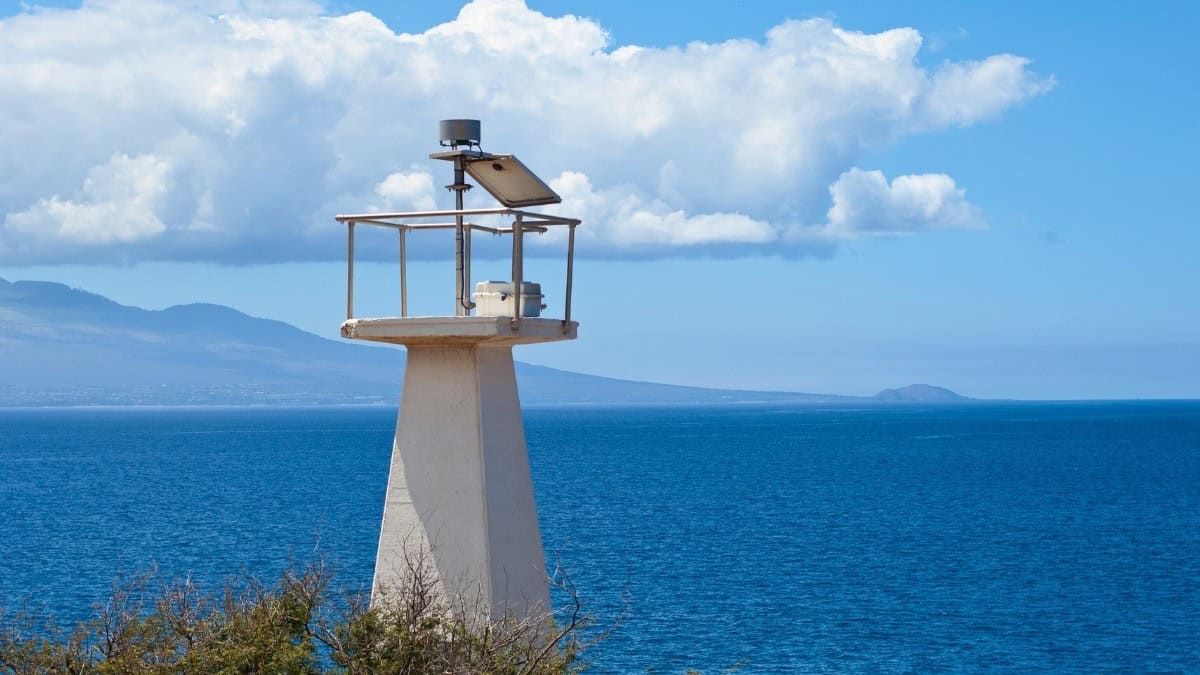
Located 1.4 miles west of the harbor along Honoapiilani Highway, this elevated rocky lookout serves as a key shore-based vantage spot. The site provides a clear view to scan the ocean surface for whale spouts and breaches.

Kealia Pond National Wildlife Refuge

Kealia Pond National Wildlife Refuge

5 min drive

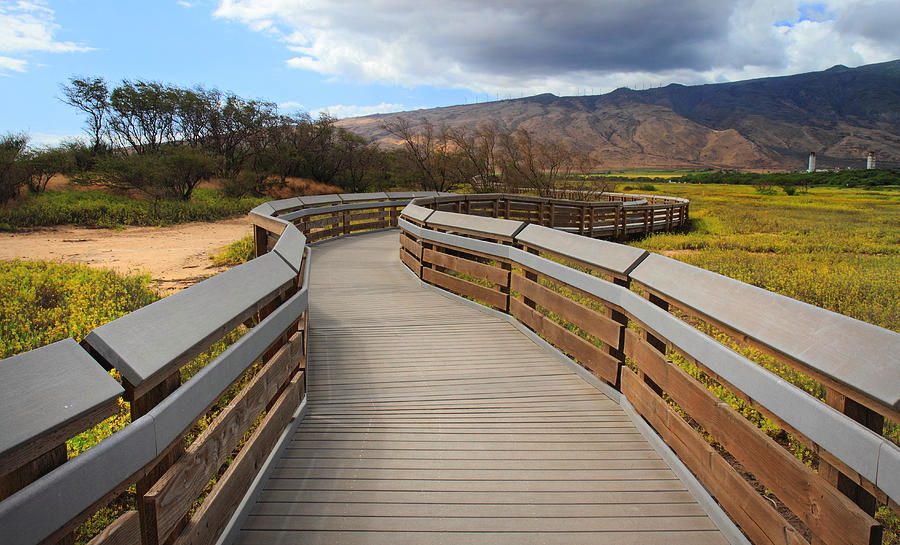
A short drive east of the harbor, this wetland sanctuary features a 2,200-foot boardwalk winding through coastal flats. It offers an opportunity to observe native endangered waterbirds, such as the Hawaiian stilt, in their natural habitat.

Checklist

A Packing Checklist for Your Humpback Whale Excursion

Pack light but strategically—ocean conditions shift quickly, and the right gear keeps you comfortable through wind, spray, and sun.

Book

Check availability

Frequently asked

Frequently asked questions about whale watching in Maui

Everything you need to know about what is whale watching season in maui

What is whale watching season in Maui?

The official season generally runs from December through April, as humpback whales migrate from Alaska to Hawaii. During this period, you can observe these marine mammals in their natural breeding grounds. Understanding what is whale watching season in Maui helps in planning your trip effectively. Peak activity typically occurs from February through March when the humpback population is at its highest density. Visitors often see mothers, calves, and competitive pods during these busy months. Many travelers ask what is whale watching season in Maui to time their arrival with active behaviors like breaching or tail slapping. Calves are most frequently sighted toward the latter half of the season, specifically in March and April. Seeing these younger whales alongside their mothers is a common highlight for many guests. Knowing what is whale watching season in Maui ensures you choose the right dates for these sightings. The harbor area is a public facility with no specific entrance fee. You can access the docks and surrounding pier areas at 0 USD. The facility remains open daily to accommodate various maritime activities and visitors. You will find the calmest wind and water conditions during the early morning hours throughout the winter season. These periods provide the best visibility for spotting marine life on the surface. Choosing the early morning is often recommended by locals to maximize your chances of a successful viewing. While the peak months are highly popular, late season dates in April can offer a quieter experience. Avoiding holiday weeks also helps manage the volume of visitors at the harbor. Always verify what is whale watching season in Maui to ensure your travel dates align with the migration patterns. For the best experience, plan to arrive at the harbor between 07:00 and 10:00. These hours typically feature the most favorable sea states for boat departures. Arriving within this window helps you prepare for your scheduled departure without unnecessary stress.

Keep reading

More guides & pages